

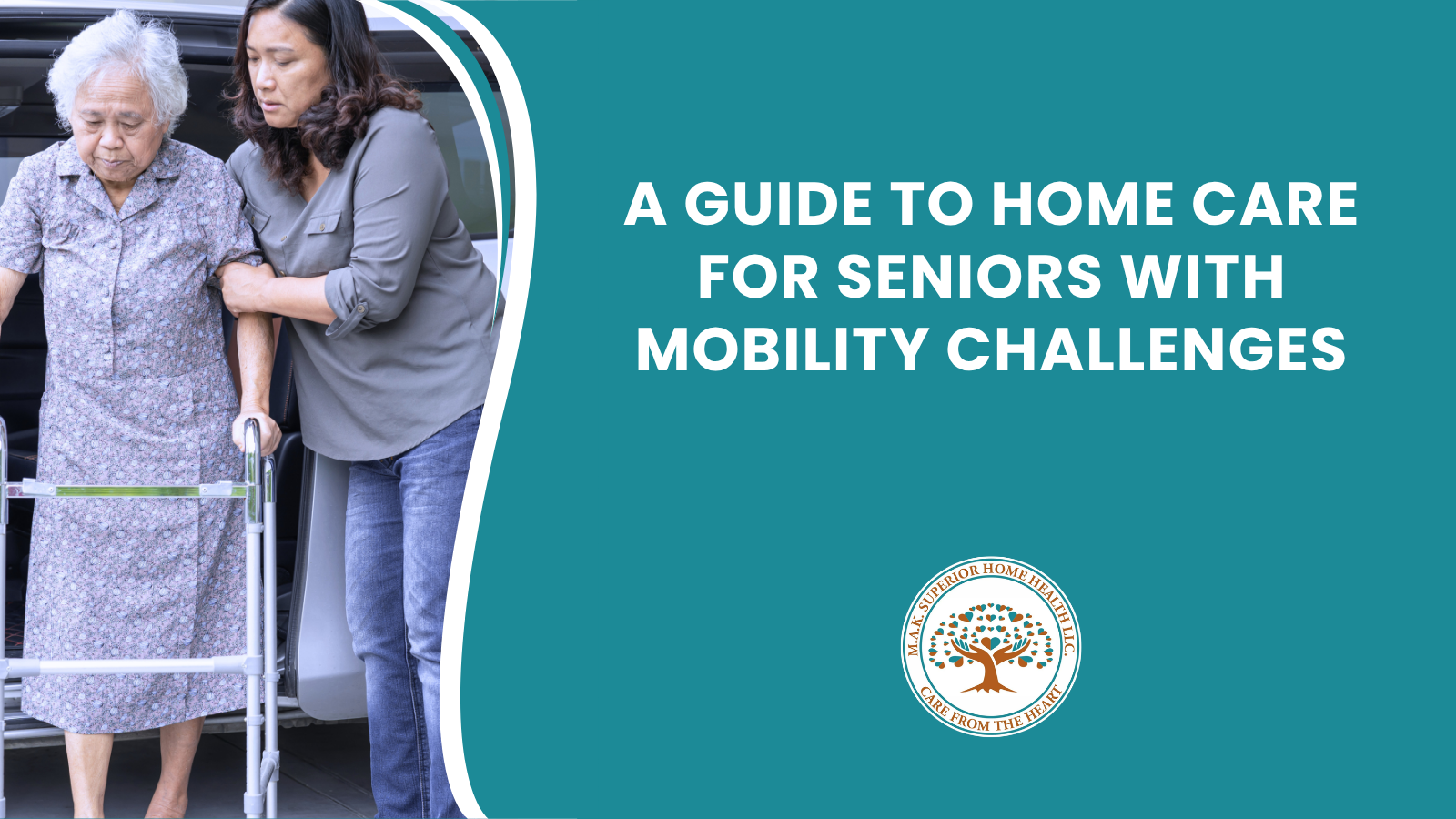
| Quick answer Home care for seniors with mobility challenges combines skilled nursing, physical therapy, personal assistance, and companionship to help older adults stay safe and independent at home. The right mix of services reduces fall risk, supports daily routines, and gives family members real peace of mind. A care team builds a plan around your loved one’s specific needs, not a one-size-fits-all schedule. Early support almost always leads to better outcomes than waiting for a crisis. |
Mobility changes are one of the most common reasons families in Woodbridge, VA begin exploring home care for seniors with mobility challenges. A parent who once moved freely through the house may now hesitate at the stairs, avoid the shower, or skip meals because walking to the kitchen feels risky. These small changes add up, and they deserve a thoughtful response.
We understand how hard it is to watch someone you love lose confidence in their own body. The good news is that skilled, compassionate support can slow that decline, restore some independence, and make daily life safer. This guide walks you through the main services available, what each one actually does, and how to decide what your family needs right now.
Why a Proactive Plan for Home Care for Seniors With Mobility Challenges Matters
Reduced mobility is rarely just a physical issue. When moving around the house becomes difficult, seniors often pull back from social activities, eat less, and experience lower mood. Each of those changes can speed up further physical decline, creating a cycle that is easier to interrupt early than later.
A proactive plan addresses root causes such as muscle weakness, balance problems, pain, or fear of falling. Getting the right professionals involved before a fall or hospital stay is nearly always less disruptive and less costly for the whole family.
- Fall risk increases when muscle strength and balance go unaddressed
- Social withdrawal linked to mobility loss can accelerate cognitive decline
- Unmanaged pain leads seniors to move less, worsening the problem over time
- Early intervention keeps seniors in familiar home environments longer
- Family caregivers experience less burnout when professional support is in place
Physical Therapy at Home: Rebuilding Strength and Confidence
Physical therapy is often the cornerstone of a strong home care plan. A licensed physical therapist visits your loved one at home, assesses how they move through their actual living space, and designs exercises that target the specific muscles and balance patterns needed for daily life. This is far more practical than clinic-based care because the therapist sees real obstacles, such as narrow hallways, area rugs, and uneven thresholds.
Sessions typically include strengthening exercises, gait training, and balance work. The therapist also recommends assistive devices such as canes or walkers and shows the senior how to use them safely. Family members are often coached as well so they can support practice between visits. You can learn more on the in-home physical therapy Woodbridge page.
- Gait training helps seniors walk more safely on different surfaces
- Balance exercises reduce fall risk over weeks of consistent practice
- Strengthening targets the legs, core, and hip muscles most needed for stability
- The therapist evaluates real home hazards and suggests practical fixes
- Progress is tracked visit by visit so the plan adjusts as strength improves
Personal Assistance Services: Support for Daily Tasks That Have Become Difficult
Not every need requires a clinician. Personal assistance services fill the gap between what a senior can do independently and what they struggle with safely. A personal assistant can help with bathing, dressing, grooming, meal preparation, light housekeeping, and getting to appointments. This support removes the situations where a mobility-limited senior is most likely to rush, overreach, or fall.
Personal assistants also provide consistent human contact, which matters enormously for seniors who live alone. Knowing someone is coming helps older adults maintain a routine, which itself supports better sleep, appetite, and mood. Families often tell us that personal assistance services are the piece that finally lets everyone breathe again.
- Bathing and dressing assistance reduces the morning rush that leads to falls
- Meal prep ensures the senior eats well even when cooking feels unsafe
- Transportation support keeps medical appointments from being skipped
- Light housekeeping removes floor clutter and trip hazards
- Consistent presence supports routine, mood, and mental sharpness
Skilled Nursing: Medical Oversight That Comes to Your Door
Many seniors with mobility challenges also manage chronic conditions such as diabetes, heart disease, or chronic pain. A Registered Nurse brings medical oversight into the home, monitoring vital signs, reviewing medications, checking skin integrity, and communicating with the primary care physician. This level of oversight catches problems before they become emergencies.
Registered Nurses also educate seniors and families about warning signs specific to the senior’s conditions. That education builds confidence and reduces unnecessary emergency room visits. A Licensed Practical Nurse can extend daily care, handling medication reminders, routine assessments, and personal care coordination under RN supervision. Call us at (804) 621-0525 to ask how skilled nursing fits into a complete care plan.
Occupational Therapy and Home Adaptations for Safer Movement
Occupational therapy focuses on the practical activities of daily life: getting dressed, preparing food, bathing, and moving through the home with confidence. An occupational therapist evaluates how the home environment itself contributes to mobility difficulty and recommends specific adaptations. Grab bars near the toilet and tub, a shower bench, better lighting in hallways, and rearranged furniture can each make a measurable difference.
Beyond equipment and layout, occupational therapists teach energy conservation techniques and safer ways to perform everyday tasks. They assess the senior’s cognitive and physical abilities together, which matters because mobility challenges are often compounded by conditions like mild cognitive impairment. The goal is always to preserve your loved one’s ability to do as much as possible on their own terms.
Frequently Asked Questions
How do I know if my parent needs home care for mobility challenges or a facility?
If your parent can still manage some daily tasks with support and is medically stable, home care is often the right starting point. A care assessment from a licensed professional can help you weigh the options based on your parent’s actual situation.
Does Medicare cover home care services for seniors with mobility problems?
Medicare may cover certain skilled services such as physical therapy and registered nurse visits if a doctor certifies the patient is homebound and needs skilled care. Coverage does not typically extend to personal assistance or companionship; confirm specifics with your plan, as this is general information and not a coverage guarantee.
How often will a physical therapist visit my loved one at home?
Visit frequency depends on the care plan, but one to three visits per week is common in the early phase of home physical therapy. The therapist adjusts the schedule as strength and balance improve.
Can one agency provide all the services my parent needs?
Yes. A full-service home health agency can coordinate physical therapy, skilled nursing, personal assistance, occupational therapy, and companionship under one care plan. Coordinated care reduces confusion and helps everyone on the team stay aligned.
How do I get started with M.A.K. Superior Home Health, LLC?
Call (804) 621-0525 to speak with our team in Woodbridge, VA. We will schedule a care assessment and walk you through the services that fit your loved one’s needs.